
What is the SSW Visa for Japan?
The SSW Visa, short for Specified Skilled Worker Visa (Tokutei Ginou Visa in Japanese), is a type of Japanese work visa introduced in April 2019. It was designed to allow foreign nationals with specific skills to work in industries facing acute labor shortages across Japan.
Unlike traditional work visas, the SSW visa in Japan is focused on practical skills and Japanese language ability, not academic qualifications. This makes it an ideal option for many Nepali youth who want to work abroad but may not hold a university degree.
Key Features of SSW Visa
- A Japanese work visa for skilled foreign workers in 16 designated sectors
- No university degree required – only skill and language test clearance
- Requires passing the JLPT N4 or JFT-Basic Japanese language test
- Requires passing a sector-specific skill proficiency test
- Equal pay and labor rights as Japanese workers in the same sector
- Legal pathway for Nepalese citizens to work in Japan
- Supported by Japanese government and licensed agencies in Nepal
Industries Covered Under SSW Visa (16 Sectors)
- Nursing Care
- Building Cleaning Management
- Manufacture of Industrial Products
- Construction Industry
- Shipbuilding and Ship Machinery Industry
- Automobile Repair and Maintenance
- Aviation Industry
- Accommodation Industry
- Automobile Transportation Business
- Railway
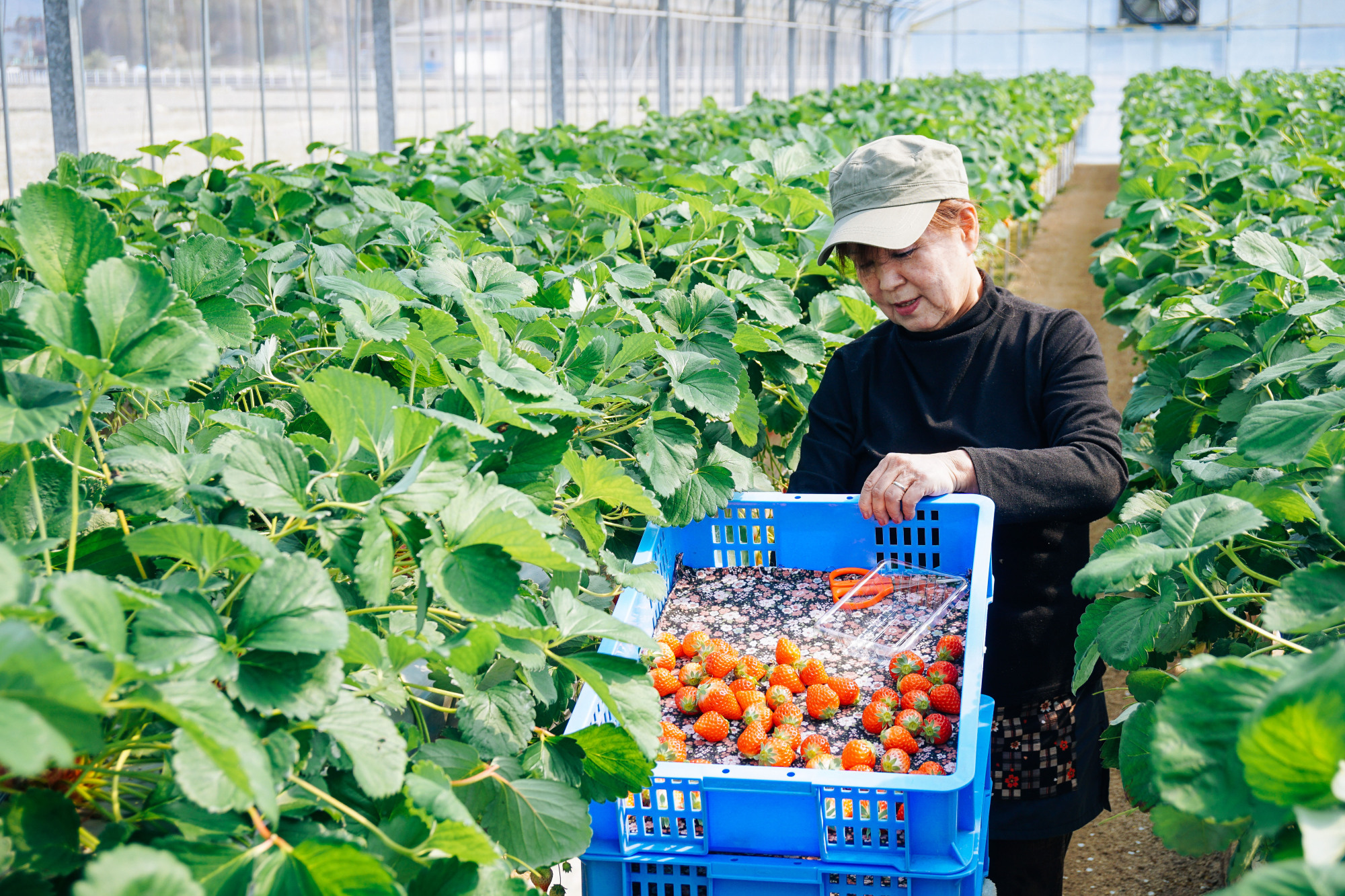
- Agriculture
- Fishery and Aquaculture Industries
- Manufacture of Food and Beverages
- Food Service Industry
- Forestry
- Wood Industry

Documents Required for the SSW Visa in Japan from Nepal
To successfully apply for a SSW visa for Japan from Nepal, you’ll need to prepare different sets of documents at two major stages:
- Application to the Japanese Employer
- Visa Application at the VFS Global in Nepal
Documents Required for Job Offer
- Valid Passport (with at least 6 months validity)
- Japanese Language Proficiency Certificate (JLPT N4 or JFT-Basic)
- SSW Skill Test Certificate (sector-specific skill exam)
- Updated Resume/CV (preferably in Japanese format)
- Educational Certificates (High school or equivalent)
- Police Clearance Certificate (No criminal record)
- Medical Fitness Certificate (recent health check-up report)
- Recent Photographs (4.5cm*3.5cm with white background)
- Application Forms (as required by recruiting agency or employer)
Documents Required for SSW Visa Application
- Certificate of Eligibility (COE) issued by Japanese Immigration (Original + Color copies)
- Valid Passport (Original + Color copies)
- Completed Visa Application Form
- Recent Photographs
- Job Offer/Employment Contract from Japanese employer
- SSW Skill Test and Language Test Certificates
- Police Clearance Certificate
- Medical Certificate (health check report)
- Additional Documents (if requested by embassy or visa officer)
Eligibility Requirements for SSW Visa for Japan from Nepal
To apply for an SSW visa from Nepal, you must:
- Be at least 18 years old.
- Pass the Japanese Language Proficiency Test (JLPT N4) or JFT-Basic.
- Pass a Japan-specified skill test in your chosen sector.
- Have no criminal record or deportation history from Japan.
- Be physically and mentally fit.
How to apply for a SSW visa from Nepal?
To apply for a SSW visa from Nepal, you must:
- Choose your sector (e.g., caregiving, food service).
- Pass the JLPT N4 or JFT-Basic Japanese language test.
- Pass the SSW skill test for your chosen field.
- Get a job offer from a Japanese employer.
- Receive a Certificate of Eligibility (COE).
- Apply for the SSW visa at the VFS Global in Kathmandu.
Opportunities for SSW Visa Holders in Japan
The SSW (Specified Skilled Worker) visa opens the door to a wide range of opportunities for foreign nationals, especially from Nepal, to live and work in Japan legally. Beyond just employment, it offers a chance to gain international experience, earn a stable income, and build a long-term future.
Here are the key opportunities available to SSW visa holders in Japan:

1. Legal Employment in 16 Growing Sectors
SSW visa holders can work in sectors with chronic labor shortages, such as: Nursing, Agriculture, Construction, Aviation, etc. These industries offer competitive salaries, on-the-job training, and career growth.
2. Competitive Salary and Benefits
You can receive monthly salaries ranging from ¥160,000 to ¥250,000+, depending on the sector. You also get access to Japanese labor rights, including:
- Health insurance
- Pension
- Paid leave
- Bonuses (in some jobs)
SSW visa holders receive equal pay for equal work compared to Japanese citizens in similar roles.
3. Career Development and Upskilling
- Hands-on experience in technical roles builds strong resumes.
- SSW workers can upgrade to SSW Type 2 (in eligible sectors like construction and shipbuilding) for long-term employment.
- Many employers offer free training and language improvement programs.
4. Pathway to Permanent Residency (SSW Type 2)
While SSW Type 1 does not offer PR, transitioning to SSW Type 2 allows:
- Unlimited visa renewals
- Family reunification (bring spouse and children)
- Eligibility to apply for Permanent Residency in Japan
5. Cultural and Global Exposure
- Live and work in one of the world’s most advanced economies.
- Learn about Japanese work culture, ethics, and technology.
- Improve language skills, cross-cultural communication, and adaptability — key skills for global careers.
6. Family and Settlement Opportunities (Type 2)
SSW Type 2 visa holders can:
- Bring their family members to Japan legally.
- Secure long-term job contracts.
- Lay the foundation for settling in Japan permanently.

7. Gateway to International Careers
Experience gained in Japan under the SSW visa:
- Enhances job prospects back in Nepal or in other countries (e.g., Gulf, South Korea, Europe).
- Builds credibility and opens doors to higher-paying roles in the same industry abroad.